
Logistics warehouse design has become a strategic component in modern supply chains, where speed, accuracy, and cost efficiency directly impact business competitiveness. With the rapid growth of e-commerce, omnichannel distribution, and just-in-time delivery models, warehouses are no longer simple storage facilities—they are dynamic distribution hubs that must operate with high precision and efficiency.
Designing a logistics warehouse today requires an integrated approach that combines layout planning, storage optimization, material handling systems, and automation technologies. For developers, operators, and investors, the goal is to maximize storage capacity while ensuring fast and accurate order fulfillment. In regions such as Southeast Asia, including Thailand, additional factors such as labor availability, land costs, and infrastructure development also influence warehouse design strategies.
Key Design Considerations for Logistics Warehouses
Effective warehouse design begins with a clear understanding of operational requirements, including product types, inventory turnover, order profiles, and distribution channels. These factors determine storage systems, picking methods, and workflow design.
Site selection is equally important, with proximity to transportation networks such as highways, ports, and airports playing a key role in distribution efficiency. In addition, compliance with building codes, fire safety regulations, and industrial standards must be incorporated into the design process.
Warehouse Layout and Space Utilization
Warehouse layout design focuses on maximizing usable space while maintaining efficient workflow. This includes proper zoning of receiving, storage, picking, packing, and shipping areas.
Vertical space utilization is a critical strategy, often achieved through high-rack systems and mezzanine floors. A well-optimized layout reduces travel distance, minimizes congestion, and improves overall operational efficiency.
Storage Systems and Capacity Optimization
Selecting the right storage system is essential for maximizing capacity and accessibility. Common systems include:
- Selective racking for flexibility
- Drive-in/drive-through racking for high-density storage
- Pallet flow systems for FIFO operations
- Automated storage systems such as AS/RS
The choice depends on inventory characteristics, turnover rates, and operational priorities. A well-designed storage system balances density with accessibility to improve efficiency.
Automation Systems in Modern Warehousing
Automation plays a key role in improving warehouse performance. Technologies such as conveyors, automated guided vehicles (AGVs), autonomous mobile robots (AMRs), and robotic picking systems are increasingly adopted.
Warehouse Management Systems (WMS) and Warehouse Control Systems (WCS) enable real-time tracking, inventory accuracy, and process optimization. Automation reduces labor dependency, improves speed, and minimizes human error.
Material Flow and Process Efficiency
Efficient material flow is essential for reducing operational costs and improving throughput. Warehouse design must ensure smooth movement of goods from inbound to outbound processes.
Key strategies include:
- Minimizing travel distance
- Eliminating bottlenecks
- Designing one-way flow paths
- Integrating cross-docking where applicable
Optimized workflows lead to faster order processing and better resource utilization.
Integration with Building Structure
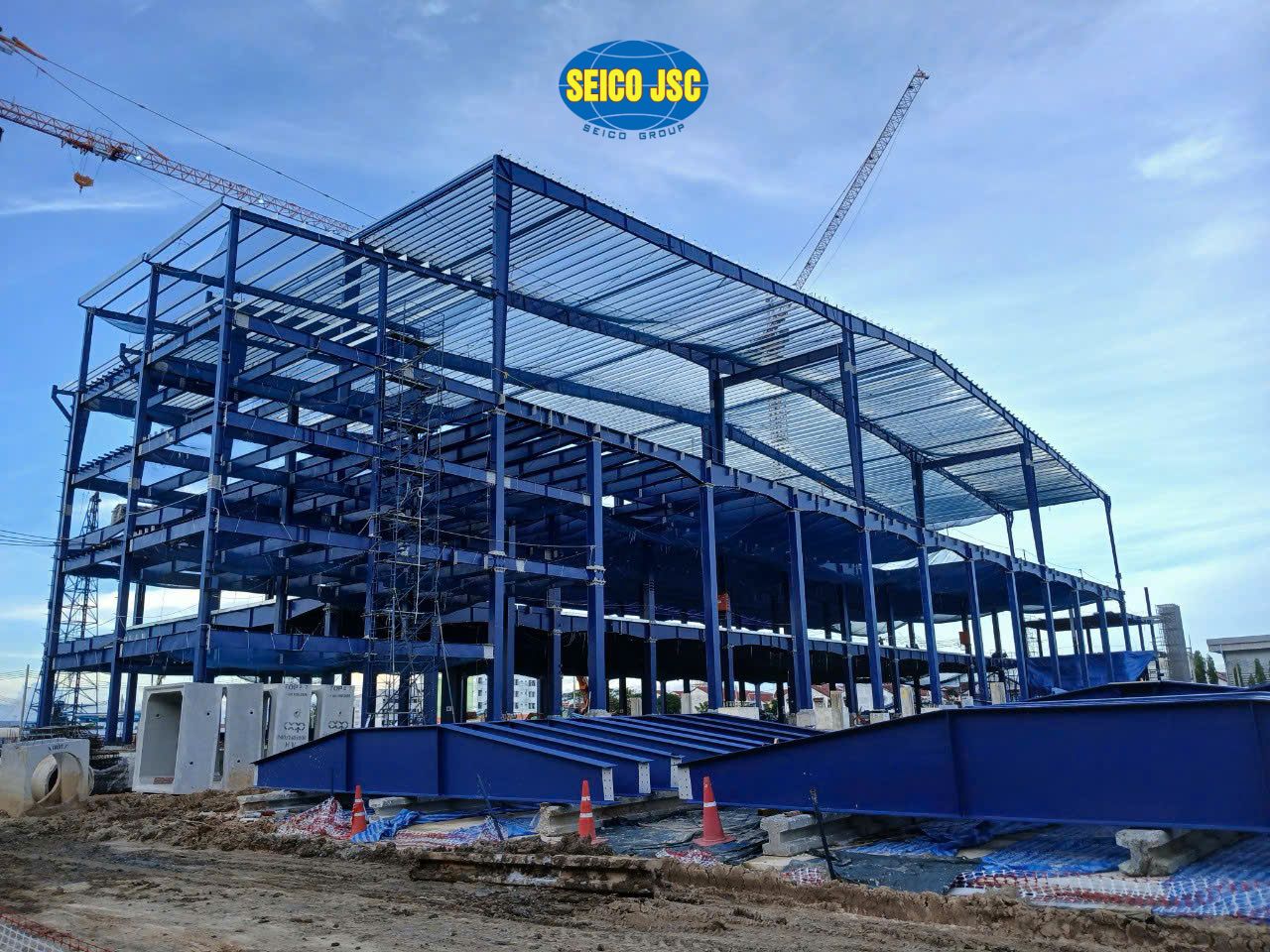
Warehouse design must align with structural elements such as column spacing, clear height, and floor load capacity. Wide column spacing and high clear heights are preferred to support automation and high-density storage systems.
Floor flatness and load-bearing capacity are also critical, especially for automated systems like AS/RS and high-reach forklifts. Proper structural design ensures long-term flexibility and operational efficiency.
Safety, Compliance, and Operational Standards
Safety is a critical aspect of warehouse design. Facilities must comply with fire safety regulations, including sprinkler systems, fire exits, and emergency access routes.
Worker safety measures such as clear signage, designated pedestrian paths, and ergonomic design must also be incorporated. Compliance with local regulations and international standards ensures safe and reliable operations.
Energy Efficiency and Sustainability
Modern warehouses are increasingly designed with sustainability in mind. Energy-efficient lighting systems, natural ventilation, and solar energy integration help reduce operational costs.
Automation systems can also contribute to energy efficiency by optimizing resource usage and reducing unnecessary movement. Sustainable design not only lowers costs but also supports ESG goals.
Impact on Cost and ROI
Warehouse design has a direct impact on both capital investment and operational costs. While advanced automation and high-density storage systems may require higher upfront investment, they significantly improve efficiency and reduce long-term expenses.
A well-designed warehouse enhances throughput, reduces labor costs, and improves accuracy, leading to a stronger return on investment. Poor design, on the other hand, can result in inefficiencies and increased operational costs.
Scalability and Future Expansion
Scalability is essential in logistics warehouse design. Facilities must be able to adapt to changes in demand, product mix, and technology.
Modular design approaches, flexible layouts, and reserved expansion space allow warehouses to grow without major disruptions. Future-ready design ensures long-term competitiveness in a rapidly evolving logistics landscape.
Conclusion
Logistics warehouse design and automation systems are key drivers of efficiency in modern supply chains. By optimizing storage capacity, improving material flow, and integrating advanced technologies, businesses can achieve faster, more accurate, and cost-effective operations.
Investing in well-planned warehouse design is essential for supporting growth, enhancing customer satisfaction, and maintaining a competitive edge.
It directly affects efficiency, cost, and order fulfillment speed, making it critical for supply chain performance.
Automation improves speed, accuracy, and efficiency while reducing labor dependency and human error.
By using high-density storage systems, optimizing layout, and utilizing vertical space.
Automated Storage and Retrieval Systems (AS/RS) are systems that automatically store and retrieve goods, improving efficiency and accuracy.
A well-designed warehouse reduces operational costs, increases productivity, and improves overall return on investment.