
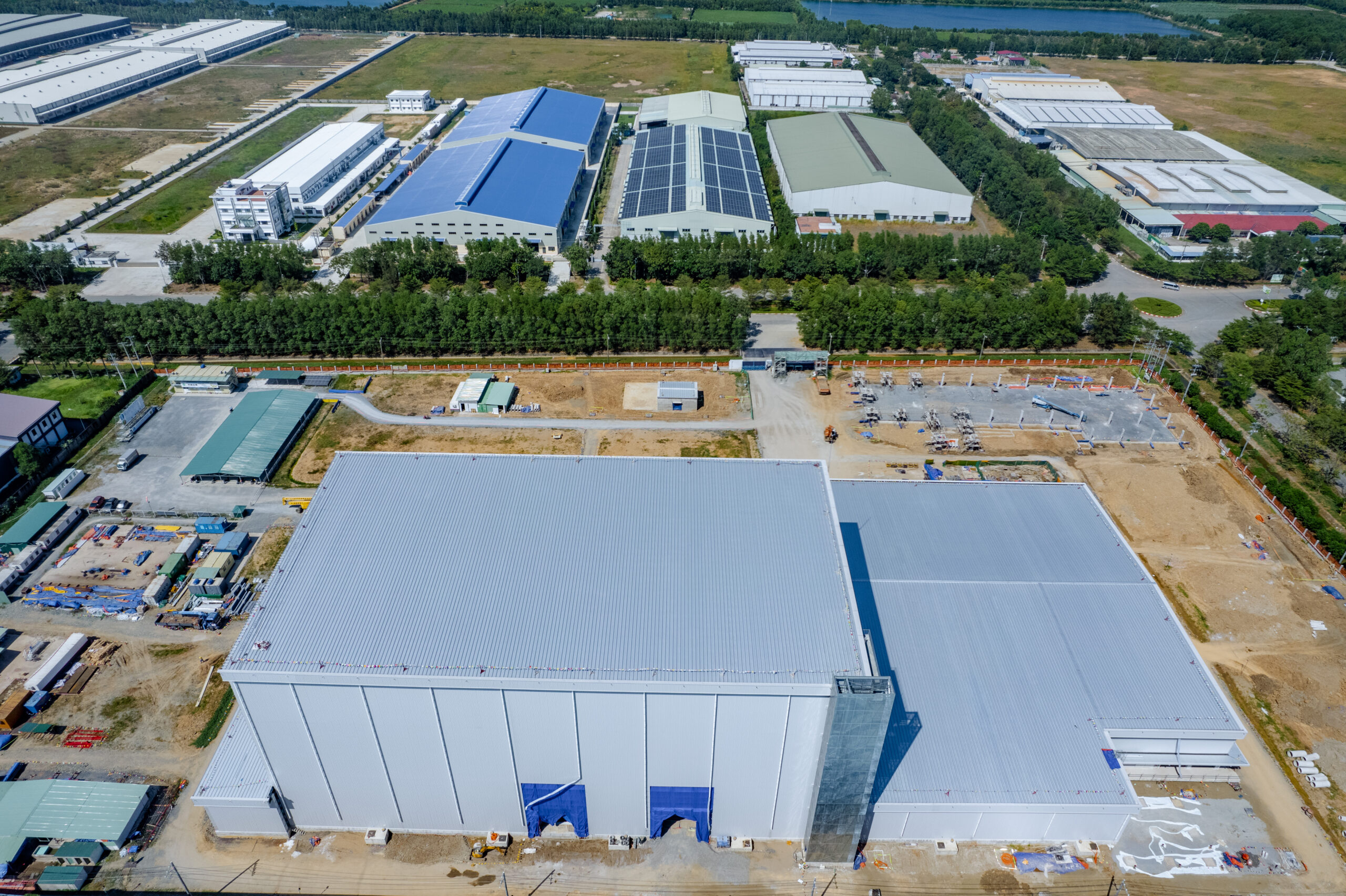
Planning a factory in Bangkok and Central Thailand is very different from developing a facility in a large industrial estate or a rural area. Many projects face urban constraints, from narrow site access and heavy traffic routes for material delivery to strict regulations on construction hours and noise that affect surrounding communities.
For business owners, an urban factory is not only about having production space. It is about balancing speed to operation, total project cost, and long-term relationships with the surrounding area. The building structure therefore becomes a key factor that influences both the construction process and long-term operational performance.
This article provides an overview of steel factory designing in Bangkok and Central provinces such as Samut Prakan, Pathum Thani, and Chachoengsao. It focuses on business-driven decisions that align with urban limitations, from choosing structural approaches that reduce on-site construction time to preparing buildings for future production expansion, helping your factory launch with stability and grow without disruption.
Challenges of Developing Factories in Urban and Industrial Zones Around Bangkok
Bangkok and surrounding provinces such as Samut Prakan, Pathum Thani, and Chachoengsao are areas where industrial zones and residential communities are closely integrated. Many factories are not located within large industrial estates but are positioned near labor sources and major transport routes. This makes project planning more complex than simply considering land size and budget.
One common challenge is site accessibility. Some roads do not support large trucks, making the delivery of steel structure components a critical planning issue. Project teams need to plan in advance for component sizes and installation sequences. Using a PEB factory building system that is engineered and pre-fabricated off-site helps streamline transportation and on-site assembly while reducing congestion at the construction area.
Another challenge is the impact on surrounding areas, including noise, vibration, and construction duration. Urban factories often operate under strict timelines to minimize disruption to nearby communities and businesses. Structural solutions that reduce on-site work, such as factory-fabricated steel components installed in a planned sequence, help projects stay on schedule and lower the risk of delays.
Finally, there is the issue of future growth within limited land space. Urban land is expensive and horizontal expansion is not always possible. Many operators turn to vertical space planning, mezzanine levels, and flexible internal zoning. This is where solutions like Truss Deck flooring systems connect directly to the planning stage, allowing additional usable space without expanding the site footprint.
What to Consider Before Building a Factory in Urban Areas
1. Site Access and Material Transport Routes
In Bangkok and nearby provinces, many roads have restrictions on width and time windows for heavy truck access. Planning how structural components will be delivered and brought on-site from the beginning helps reduce the risk of delays and hidden construction costs.
This is why many developers choose PEB factory buildings, where components are pre-engineered and segmented at the factory, allowing better control over size, weight, and installation sequence before on-site work begins.
2. Construction Timeline and Impact on Surroundings
Factories near residential or commercial zones must consider noise, dust, and traffic disruption during construction. Structural systems that shorten on-site work help keep projects within schedule and reduce the impact on neighbors and business partners.
Connecting with a full-service steel structure design and fabrication provider ensures that the process from engineering to installation follows a single, coordinated workflow, minimizing rework and mid-project changes.
3. Vertical Space Use and Internal Zoning
With high land costs in urban areas, expanding horizontally is often not an option. Many projects add mezzanine floors or clearly define internal zones such as production, storage, and office space. Planning in connection with Truss Deck floor systems allows vertical expansion to be executed efficiently without compromising the main structural framework.
4. Machinery Load and Future Production Expansion
Industrial machinery varies in weight and operational requirements. If the building structure is not designed to accommodate future loads or additional installations, expansion may require production shutdowns or major structural modifications. Consulting with experienced steel structure engineering teams during the planning phase ensures the building can support long-term business growth without starting over.
5. Building Regulations and Permits in Bangkok and Metropolitan Areas
Urban areas are governed by zoning laws, setback requirements, building height limits, and land-use regulations. Aligning structural design and building layout with these legal requirements from the beginning helps avoid redesigns or approval delays. Working with an industrial construction specialist simplifies the permitting process and keeps the project moving forward smoothly.
A Central Thailand Project That Reflects Urban Factory Planning

One example that clearly reflects factory planning in an urban context is the WH21x56 Project in Pathum Thani. Located in an area where industrial zones and residential communities are closely integrated, this project was developed as a factory for professional metal industry investors. The facility covers approximately 1,180 square meters and utilizes around 45 tons of steel structure, completed in 2024.
With its location connected to major transport routes and close to residential areas, the project planning focused heavily on site access and construction timeline. The team adopted a pre-fabrication approach, preparing structural components off-site to ensure that transportation and on-site installation followed a clear and efficient sequence. This reduced on-site space usage and minimized the impact on local traffic.
For business owners who want to explore more real-world project examples, you can visit the Project Portfolio page to review other factory and industrial building developments in Bangkok and Central Thailand managed by SEICO Thailand, from design and fabrication to on-site installation.
Why Urban Factories Are Choosing Pre-Engineered Structural Systems
When structural systems are designed and fabricated as a single, integrated process, business owners gain clearer visibility into project timelines and budgets. This approach reduces the risk of on-site modifications, which are common in limited urban spaces. It aligns closely with pre-engineered steel building solutions that bring structure, planning, and installation into one coordinated workflow.
Another key advantage is the reduced impact on surrounding areas. When major components are fabricated off-site and assembled in a controlled sequence, noise, dust, and on-site working time are significantly reduced. For factories near communities or main roads, this helps maintain positive relationships and lowers the risk of complaints or temporary work stoppages.
From a long-term operational perspective, system-based structural design also makes future layout changes and expansion easier. Whether adding new production lines, office areas, or mezzanine levels, business owners can plan growth without dismantling the main structure. This can be supported by solutions like SP Deck systems, which allow vertical space expansion as business needs evolve.
Conclusion: Building Structure as a Business Strategy for Urban Factories
For factories in urban areas and industrial zones around Bangkok, the building structure is no longer just a physical framework. It is part of the overall business strategy. From controlling construction timelines and managing project costs to supporting long-term scalability, every structural decision influences operational flexibility.
When a factory’s structure is planned in alignment with business goals from the start, urban facilities can maintain competitiveness in production efficiency, professional image, and readiness for future expansion.
If you are planning a factory structure that aligns with your business strategy, consult directly with SEICO Thailand to evaluate the most suitable structural approach for your project.
Frequently Asked Questions (FAQ)
1. Why is factory planning in Bangkok and Central Thailand more complex than in rural areas?
Factory projects in Bangkok and nearby provinces face urban constraints such as limited site access, traffic restrictions for material delivery, noise control regulations, and proximity to residential areas. These factors require more careful planning of structure design, logistics, and construction timelines compared to rural or large industrial estate locations.
2. What type of building structure is suitable for urban factory projects?
Pre-engineered steel building (PEB) systems are commonly used for urban factories because components are fabricated off-site, allowing better control over size, delivery timing, and installation sequence. This helps reduce on-site construction time, traffic congestion, and disruption to surrounding communities.
3. How can factories manage construction impact on nearby residential or commercial areas?
Using factory-fabricated steel components and a well-planned installation sequence significantly reduces noise, dust, and construction duration. Working with a full-service steel structure provider also helps minimize rework and delays that could affect surrounding areas.
4. Is it possible to expand a factory in urban areas with limited land space?
Yes. Many urban factories focus on vertical expansion rather than horizontal growth. Mezzanine floors, flexible internal zoning, and systems such as Truss Deck or SP Deck allow businesses to increase usable space without expanding the site footprint.
5. Should future machinery and production expansion be considered from the start?
Absolutely. Industrial machinery has varying load requirements, and future expansion is common. Designing the steel structure to accommodate additional loads and layout changes from the beginning helps avoid costly structural modifications or production shutdowns later.
6. What regulations should be considered when building a factory in Bangkok or metropolitan areas?
Urban factory projects must comply with zoning laws, building height limits, setback requirements, land-use regulations, and local permitting rules. Aligning structural design with these regulations early helps prevent approval delays and redesign costs.
7. How does a pre-engineered structural system help control project timelines and budgets?
An integrated design–fabrication–installation workflow provides clearer visibility into timelines and costs. Because major components are engineered and produced off-site, the risk of on-site modifications and unexpected delays is significantly reduced.
8. Are pre-engineered steel factories suitable for long-term business growth?
Yes. System-based steel structures are designed for flexibility, making it easier to add production lines, office space, or mezzanine levels in the future without dismantling the main structure. This supports long-term operational scalability and business continuity.
9. Why are urban factories increasingly choosing steel structure specialists instead of multiple contractors?
Working with a single specialist who handles design, fabrication, and installation ensures better coordination, fewer communication gaps, and a smoother construction process—especially important in complex urban environments with limited margins for error.