
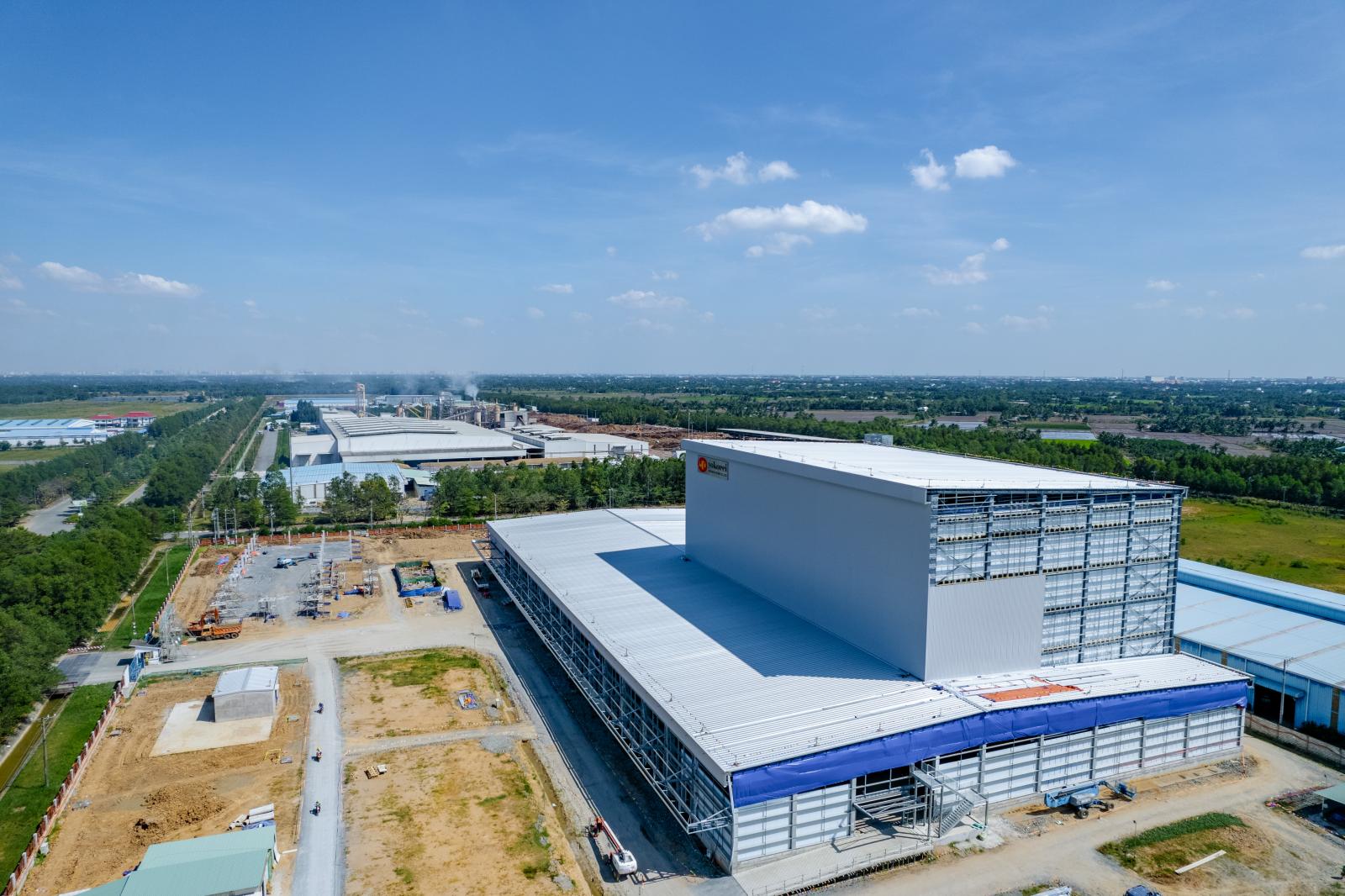
Factory layout design is one of the most critical components in the development of industrial facilities in Thailand, especially in an era where competition in cost and production efficiency is increasingly intense. For factory owners, engineers, and project developers, layout planning is not just about arranging machinery—it is a strategic factor that directly impacts productivity, lead time, total project cost, and the ability to expand operations in the future.
In the context of Thailand, factory layout design must take into account several local factors. These include hot and humid climate conditions that can affect machinery and materials, risks of heavy rainfall and flooding in certain areas, as well as labor constraints and rising labor costs. In addition, the rapid growth of industrial zones such as the Eastern Economic Corridor (EEC) plays a significant role in shaping layout strategies. As a result, modern factory layouts must emphasize efficiency, flexibility, and readiness for future automation.
Key Design Considerations for Factory Layout in Thailand
Designing a factory layout in Thailand requires a systematic approach that considers environmental, economic, and regulatory factors. The hot and humid climate can affect the lifespan and performance of machinery and materials, while heavy rainfall and flood risks may disrupt operations if not properly planned. At the same time, labor shortages and increasing labor costs are driving manufacturers to focus more on efficiency-oriented design.
In addition, compliance with safety regulations and building codes, along with the expansion of industrial estates, significantly influences layout decisions. Therefore, an effective factory layout must be designed to balance operational efficiency, flexibility, and the ability to support future technological advancements.
Types of Factory Layout Used in Thailand
Various types of factory layouts are used in Thailand depending on production characteristics and industry requirements. Process layouts are suitable for operations that require high flexibility and handle a wide variety of products, while product layouts are ideal for mass production environments that demand continuous workflow and efficiency.
Cellular layouts, based on lean manufacturing principles, are also widely adopted as they help reduce waste and improve operational speed. However, in practice, many factories in Thailand prefer hybrid layouts, which combine multiple layout types to achieve both flexibility and efficiency in a dynamic production environment.
Layout Optimization and Workflow Efficiency
The core objective of factory layout design is to ensure smooth and efficient workflow. A well-designed layout minimizes material handling distance, reduces backtracking, and eliminates bottlenecks in the production process. Additionally, proper integration between production areas and warehouse zones enhances overall operational flow and coordination.
When workflow is optimized, it leads to shorter lead times, reduced labor costs, and improved overall productivity. This makes layout optimization a key factor in maintaining competitiveness in the manufacturing sector.
Integration with Building Structure
Factory layout design must be closely aligned with the building structure, as elements such as column grid, structural span, and floor systems directly affect layout flexibility and equipment placement. In Thailand, floor systems like Truss Deck (SP deck) are commonly used in large-scale factories that require wide spans and open spaces, while Metal Deck systems are more suitable for general buildings or less complex projects.
Selecting the appropriate structural system allows for better layout flexibility, improved load-bearing capacity, and fewer limitations when modifying the layout in the future.
Factory Layout and Safety Compliance in Thailand
Safety is a critical consideration in factory layout design. Layout planning must comply with local regulations, including provisions for fire lanes, emergency exits, zoning, and access for emergency vehicles. A well-planned layout helps reduce the risk of accidents, enhances worker safety, and ensures faster approval from regulatory authorities.
Furthermore, it can also reduce long-term insurance costs, as facilities with higher safety standards are generally considered lower risk.
Designing for Smart Factory and Automation
The industrial sector in Thailand is increasingly moving toward smart factory concepts. As a result, factory layout design must account for automation systems such as conveyors, automated guided vehicles (AGVs), and robotics. It is also essential to prepare electrical systems and data infrastructure to support IoT integration.
Factories that are designed with automation in mind from the beginning gain a significant long-term advantage in terms of efficiency, accuracy, and competitiveness.
Impact of Factory Layout on Cost and ROI
Factory layout has a direct impact on both construction costs and long-term operational expenses. These include labor costs, material handling, and space utilization. A well-designed layout can significantly reduce these costs and improve operational efficiency, while a poor layout may lead to bottlenecks and unnecessary waste in the production process.
Therefore, investing in proper layout design at the early stage is crucial, as it helps reduce total project costs and improves return on investment over time.
How Layout Requirements Vary by Facility Type
Factory layout requirements vary depending on the type of facility. Warehouses focus on storage density and efficient material flow, while manufacturing plants prioritize production line efficiency. Food factories require clear separation between clean and non-clean zones to meet hygiene standards, whereas heavy industries must accommodate large machinery and high load requirements.
Designing the layout according to the specific operational needs of each facility type ensures maximum efficiency and performance.
Conclusion
Factory layout design is a fundamental aspect of industrial development in Thailand, influencing efficiency, cost, and overall competitiveness. An effective layout must consider workflow, building structure, safety requirements, and future expansion plans.
With proper planning from the beginning, factories can achieve long-term cost efficiency and remain adaptable to changes in the industrial landscape.
FAQ
It ensures a smooth production flow, reduces unnecessary movement, and minimizes bottlenecks. This helps lower costs, improve efficiency, and enhance overall factory productivity.
It depends on the industry and production type. Process layouts suit high-variety production, while product layouts are ideal for mass production. In Thailand, hybrid layouts are widely used due to their flexibility and adaptability.
It impacts both construction and long-term operational costs, including labor, material handling, and space utilization. A well-designed layout helps reduce costs and improve return on investment.
Yes, especially for modern factories. Designing for automation from the beginning improves efficiency, reduces labor dependency, and supports future development.
It is recommended to allocate around 20–30% of the total area to support future expansion, such as adding production lines, installing new machinery, or integrating automation systems.