
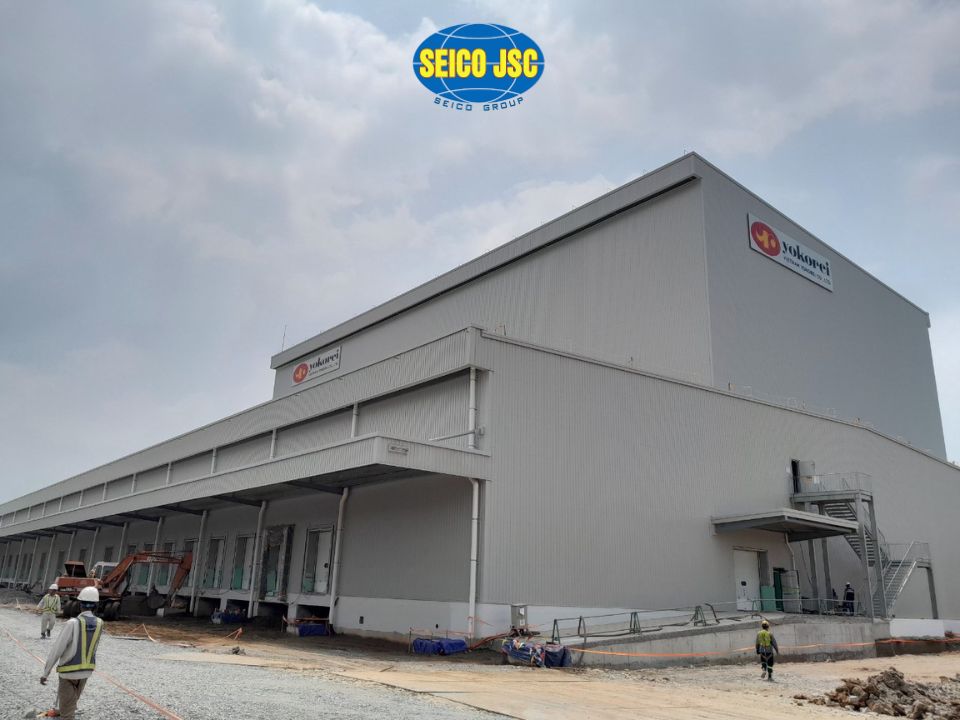
Cold storage and temperature-controlled warehouse design play a critical role in industries such as food processing, logistics, and pharmaceuticals, where precise temperature control is essential to maintain product quality, safety, and shelf life. In today’s complex supply chains, designing a cold storage facility is not simply about installing refrigeration systems—it requires an integrated engineering approach that optimizes energy efficiency, thermal performance, and operational reliability.
In tropical regions such as Southeast Asia, including Thailand, high ambient temperatures and humidity significantly increase cooling loads. As a result, cold storage design must focus on minimizing energy loss and maximizing system efficiency to control long-term operational costs.
Key Design Considerations for Cold Storage
Designing a cold storage facility requires careful evaluation of multiple factors, including product type, required temperature range, humidity control, and operational patterns such as storage duration and inventory turnover.
Other important considerations include site location, transportation access, and environmental risks such as flooding. Compliance with industry standards such as GMP, HACCP, and food safety regulations is also essential to ensure operational integrity and product safety.
Types of Cold Storage Facilities
Cold storage facilities can be classified based on temperature requirements:
- Chilled Storage (0°C to 10°C): Suitable for fresh produce and perishable goods
- Frozen Storage (-18°C or lower): Used for frozen food products
- Blast Freezer (-30°C to -40°C): Designed for rapid freezing processes
- Pharmaceutical Storage: Requires strict temperature and humidity control
Each type requires a tailored design approach to ensure efficiency and product preservation.
Refrigeration Systems and Thermal Management
Refrigeration systems are the core of cold storage operations and must be designed to match the cooling load and usage profile.
Common systems include:
- Direct Expansion (DX) Systems
- Chilled Water Systems
- Ammonia (NH3) Systems for large-scale facilities
Effective thermal management focuses on minimizing heat gain through walls, doors, and operational activities. Solutions such as air curtains, high-speed doors, and dock shelters help reduce temperature fluctuations and energy loss.
Insulation Design and Building Envelope
Insulation is a key factor in energy efficiency. High-performance materials such as polyurethane (PU) panels are widely used due to their excellent thermal resistance.
Key components include:
- Insulated wall and roof panels
- Cold floor protection systems
- Vapor barriers to prevent condensation
Proper design must also minimize thermal bridging to reduce heat transfer and improve overall system efficiency.
Energy Efficiency Optimization
Cold storage facilities are energy-intensive, making efficiency a top priority in both design and operation.
Strategies include:
- High-efficiency compressors
- Variable Speed Drives (VSD)
- Heat recovery systems
- Smart monitoring and automation
Well-designed systems can significantly reduce electricity consumption and operational costs over time.
Warehouse Layout and Workflow Efficiency
An efficient layout improves both operational performance and thermal efficiency. Proper zoning of receiving, storage, and dispatch areas helps minimize door opening time and unnecessary movement.
Design considerations include:
- Reducing exposure to ambient air
- Optimizing material flow
- Supporting automation systems such as AS/RS
These factors contribute to higher productivity and reduced energy loss.
Control Systems and Monitoring
Accurate control of temperature and humidity is essential. Advanced monitoring systems ensure stable conditions and provide alerts in case of deviations.
Technologies include:
- IoT sensors
- SCADA systems
- Real-time monitoring platforms
These systems enhance operational control, reduce risks, and maintain product quality.
Safety and Hygiene Standards
Cold storage facilities must comply with strict safety and hygiene standards, including:
- GMP (Good Manufacturing Practice)
- HACCP (Hazard Analysis and Critical Control Points)
- ISO standards
In addition, safety systems such as fire protection, emergency exits, and worker safety measures must be integrated into the design.
Impact on Cost and ROI
Cold storage design directly affects both capital investment (CAPEX) and operational expenditure (OPEX). While high-performance systems may require higher initial investment, they significantly reduce:
- Energy costs
- Product losses
- Maintenance expenses
This leads to improved return on investment (ROI) over the long term.
Conclusion
Cold storage and temperature-controlled warehouse design require a comprehensive approach that integrates refrigeration systems, insulation, building design, and energy management. A well-designed facility not only ensures product quality and safety but also improves operational efficiency and reduces long-term costs.
As demand for cold chain logistics continues to grow, investing in efficient and sustainable cold storage design is essential for maintaining competitiveness in modern supply chains.
ห้องเย็น
noun: การแช่เย็น, ตู้เย็น, ห้องเย็น, สุสาน, หลุมศพ
Cold storage facilities maintain controlled temperature and humidity conditions, while regular warehouses do not.
It depends on the scale and application. Ammonia systems are ideal for large facilities, while DX systems are suitable for medium-sized operations.
By using high-quality insulation, efficient refrigeration systems, and smart monitoring technologies.
It reduces heat transfer, lowers cooling load, and improves overall energy efficiency.
Common standards include GMP, HACCP, and ISO, particularly for food and pharmaceutical applications.