
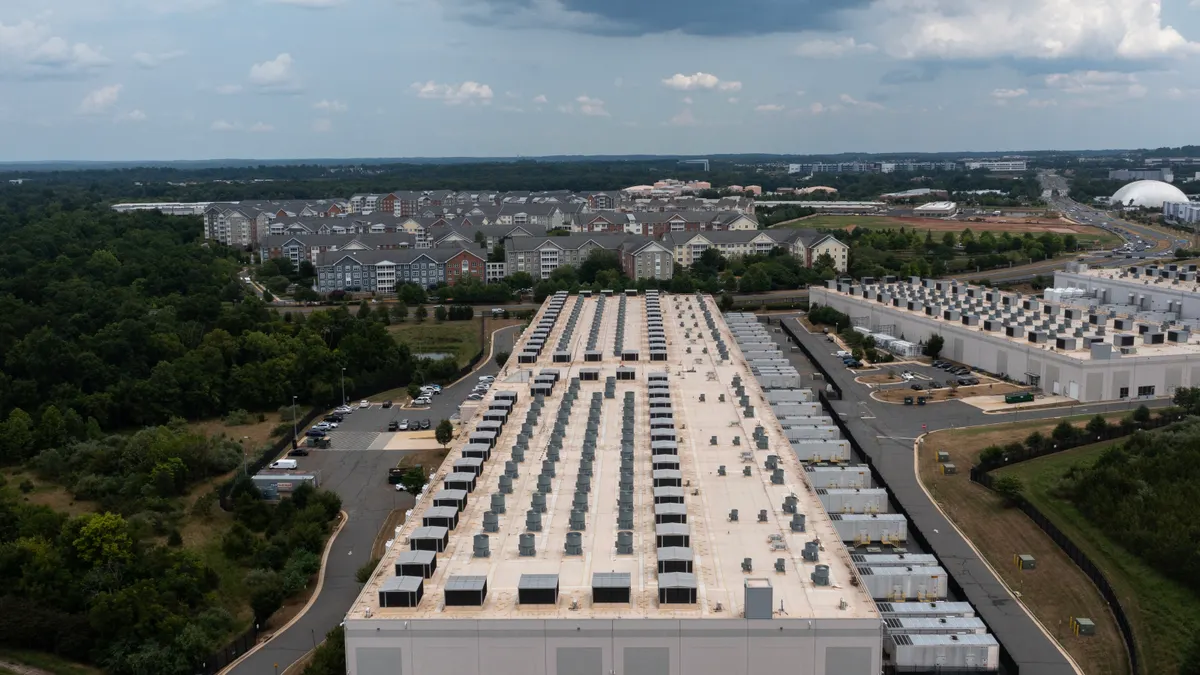
As AI computing, cloud services, and digital transformation continue to accelerate, the demand for resilient and scalable data center infrastructure has grown significantly. Modern facilities must support higher rack densities, larger cooling systems, and increasingly complex power and mechanical infrastructure while maintaining maximum uptime.
Traditional building approaches can present limitations when accommodating future expansion and heavy MEP requirements. As a result, many developers are exploring steel-based Pre-Engineered Building (PEB) solutions as a flexible alternative for data center design and data center construction.
For emerging markets and rapidly growing sectors such as AI data center Thailand, structural scalability has become a critical factor in ensuring long-term performance, operational resilience, and efficient capital deployment.
Structural Integrity Demands for Uptime and High-Density Computing Loads
Modern data centers are designed around availability and reliability. High-tier facilities require structures capable of supporting substantial loads generated by:- High-density server racks
- UPS systems and battery rooms
- Chillers and cooling equipment
- Raised floors and cable trays
- Generators and electrical infrastructure
Accelerating Data Center Deployment Timelines with PEB Factory and PEB Warehouse Formats
Time-to-market is increasingly important in today’s digital economy. Conventional construction methods may involve longer schedules due to extensive concrete works and site activities. PEB factory and PEB warehouse formats offer advantages including:- Faster fabrication and erection
- Reduced on-site construction time
- Improved quality control
- Lower labor requirements
- Reduced weather-related delays
Integrating Heavy MEP Paths and Flexible Space Configurations Within Structural Steel Shells
Modern data center infrastructure depends heavily on mechanical, electrical, and plumbing (MEP) systems. Large HVAC ducts, cable trays, piping networks, and electrical pathways require significant coordination. Structural steel systems provide:- Wide column spacing
- High clear heights
- Flexible routing of MEP services
- Simplified future modifications
- Efficient integration with raised floor systems
Structural Engineering for Scalable Liquid Cooling and Energy Infrastructure
As AI workloads increase, traditional air cooling systems are reaching their limits. Liquid cooling technologies and advanced thermal management solutions are becoming essential. Modern facilities must accommodate:- Direct-to-chip liquid cooling
- Rear-door heat exchangers
- Chilled water systems
- Cooling distribution units
- Battery energy storage systems (BESS)
Seismic Resistance and Safety Standards for High-Value Tech Infrastructure
Data centers house mission-critical digital assets and require high levels of structural reliability. Important considerations include:- Wind load resistance
- Seismic design requirements
- Fire protection systems
- Redundant structural components
- Compliance with international standards
Future-Proofing AI Data Center Thailand Projects
The growth of hyperscale computing and AI applications is driving investment in AI data center Thailand projects. Future facilities require:- Modular expansion capability
- Flexible floor layouts
- Increased cooling capacity
- Integration with renewable energy systems
- Support for higher rack densities
Summary
As digital demand continues to grow, scalable structural design has become a critical element in modern data center construction. Facilities must support high-density computing, heavy MEP systems, advanced cooling technologies, and future expansion requirements. PEB frameworks provide a flexible, fast-track, and structurally efficient solution for modern data center infrastructure. Their adaptability, speed of construction, and compatibility with evolving cooling and energy systems make them an increasingly attractive option for high-tier and AI-driven facilities.Structural design supports heavy equipment loads, cooling infrastructure, and uptime requirements while enabling future expansion.
Yes. PEB systems provide flexible layouts, large spans, and efficient integration with mechanical and electrical systems.
AI servers generate higher heat loads and require more advanced cooling systems and power infrastructure.
Yes. Structural steel systems can accommodate additional piping, cooling units, and future thermal infrastructure upgrades.
Yes. Properly engineered steel structures can satisfy international standards for seismic resistance and structural safety.